การเลือกวัสดุสำหรับบรรจุภัณฑ์ผลิตภัณฑ์ดูแลส่วนบุคคลส่งผลต่อความสวยงามของแบรนด์และประสิทธิภาพของผลิตภัณฑ์ โพลีเอทิลีนความหนาแน่นสูง (HDPE) ให้ความทนทานที่บีบได้และความทึบแสงแบบด้าน ในขณะที่โพลีเอทิลีนเทเรฟทาเลต (PET) ให้ความโปร่งใสคล้ายแก้วและความแข็งแรงทนทาน นักออกแบบบรรจุภัณฑ์และผู้จัดการแบรนด์ต้องประเมิน HDPE เทียบกับ PET อย่างรอบคอบสำหรับขวดโลชั่นและแชมพูทุกขวด
ปัจจัยสำคัญในการเลือกใช้วัสดุ PET เทียบกับ HDPE ได้แก่:
ความโปร่งใสเทียบกับความทึบแสงสำหรับการปกป้องผิวจากแสง
ความนุ่มนิ่มเทียบกับความแข็งแกร่งสำหรับความพอดีในการจ่ายยา
ความต้านทานทางเคมีต่อสูตรต่างๆ
ต้นทุนและประสิทธิภาพ โดยช่วงปริมาตร 501 ถึง 1000 มิลลิลิตร คิดเป็น 31.0% ของความต้องการทั้งหมด
การเลือกบรรจุภัณฑ์พลาสติกที่เหมาะสมเป็นตัวกำหนดกลยุทธ์การบรรจุภัณฑ์เครื่องสำอางของคุณ การใช้ขวด HDPE ขนาด 500 มล. ช่วยรักษาสภาพของผลิตภัณฑ์ ในขณะที่การใช้ขวด PET ขนาด 500 มล. ช่วยเพิ่มความน่าดึงดูดใจบนชั้นวางสินค้า
ประเด็นสำคัญ
HDPE ให้การปกป้องสีเข้มและบีบง่ายสำหรับโลชั่นเนื้อข้น
PET ให้ทัศนวิสัยที่ใสเหมือนกระจกและผนังที่แข็งแรงสำหรับปั๊มน้ำ
HDPE มีต้นทุนต่ำกว่าสำหรับการทำแม่พิมพ์แบบกำหนดเองและการตั้งค่าการผลิต
วัสดุทั้งสองชนิดสามารถนำไปรีไซเคิลได้ง่ายผ่านระบบจัดการขยะทั่วไปของเมือง
คุณสมบัติของวัสดุ HDPE เทียบกับ PET
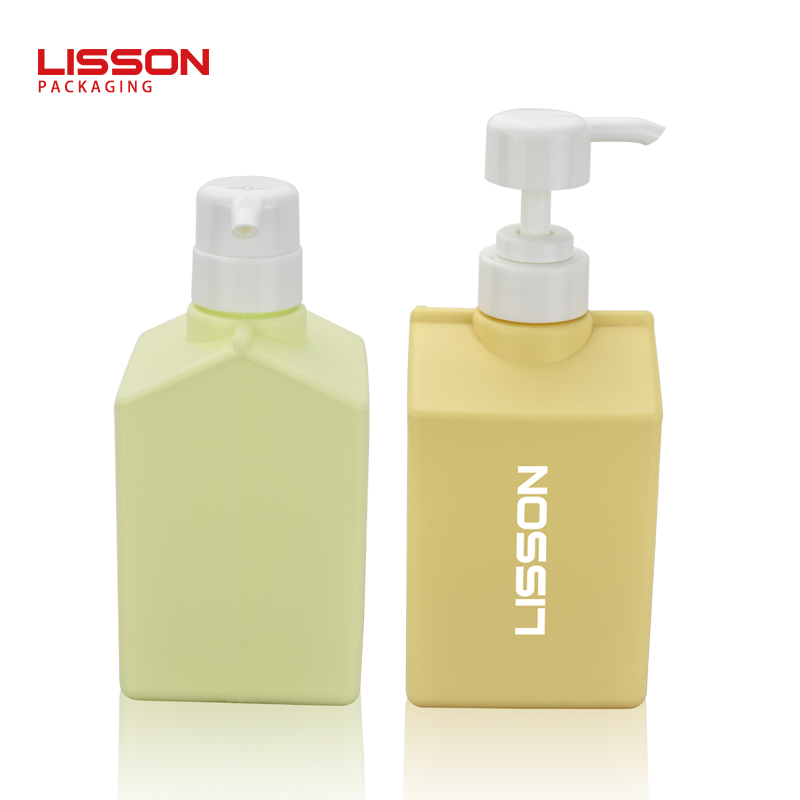
ความคมชัด ความสวยงาม และการป้องกันแสง
เมื่อเปรียบเทียบ HDPE กับ PET สำหรับผลิตภัณฑ์ดูแลผิวของคุณ คุณต้องประเมินคุณสมบัติทางกายภาพหลัก ความไวต่อแสงของสูตรผลิตภัณฑ์เป็นตัวกำหนดกลยุทธ์การปกป้องผลิตภัณฑ์โดยรวมของคุณ รังสีจากแสงแดดจะทำลายส่วนผสมสำคัญที่บอบบางในโลชั่นบำรุงผิวกายคุณภาพสูงเมื่อเวลาผ่านไป โพลีเอทิลีนแบบทึบแสงจะป้องกันรังสีอัลตราไวโอเลตได้โดยธรรมชาติผ่านโครงสร้างโมเลกุลที่หนาแน่น ช่วยปกป้องสูตรเครื่องสำอางที่ไวต่อแสงจากรังสี UV อย่างต่อเนื่อง คุณสามารถรักษาส่วนผสมสำคัญที่บอบบางได้อย่างมีประสิทธิภาพด้วยบรรจุภัณฑ์ HDPE แบบทึบแสง ทีมของคุณปกป้องอายุการเก็บรักษาผลิตภัณฑ์โดยการเลือกใช้วัสดุแบบทึบแสง
ในทางกลับกัน วัสดุ PET ที่ใสราวกับคริสตัลเลียนแบบความสวยงามของแก้วระดับไฮเอนด์ได้อย่างลงตัว PET ใสช่วยแสดงสีของผลิตภัณฑ์ของคุณให้ผู้ซื้อเห็นโดยตรงบนชั้นวางสินค้า ภาชนะใสช่วยเน้นเนื้อสัมผัสของเหลวที่เข้มข้นได้ทันที คุณสามารถแสดงเฉดสีแชมพูที่สดใสได้อย่างง่ายดายเพื่อดึงดูดผู้ซื้อยุคใหม่ อย่างไรก็ตาม ตัวเลือกแบบใสจะทำให้สูตรของเหลวภายในสัมผัสกับแสงโดยรอบโดยไม่มีสารกันรังสียูวีเพิ่มเติม คุณต้องเลือกใช้ HDPE หรือ PET โดยพิจารณาจากข้อกำหนดด้านความเสถียรของสูตรและเป้าหมายในการนำเสนอแบรนด์ของคุณ
ความยืดหยุ่น ความสามารถในการบีบ และความแข็งแกร่ง
ความแข็งของวัสดุมีผลโดยตรงต่อความสามารถในการบีบและประสบการณ์ของผู้ใช้ระหว่างการจ่ายผลิตภัณฑ์ในแต่ละวัน คุณต้องวิเคราะห์ค่าโมดูลัสการดัดงอของพอลิเมอร์แต่ละชนิดเพื่อเลือกวัสดุขวดที่เหมาะสมที่สุดสำหรับผลิตภัณฑ์ของคุณ ค่าโมดูลัสการดัดงอสูงทำให้ HDPE มีความแข็งแรงทนทานต่อแรงกดซ้ำๆ ด้วยมือ วัสดุนี้ยังคืนตัวได้ดีหลังจากการบีบทุกครั้ง ความยืดหยุ่นนี้ช่วยป้องกันการยุบตัวถาวรของแผ่นบรรจุภัณฑ์เมื่อผู้ใช้ทำให้ผนังภาชนะเสียรูป วิศวกรด้านบรรจุภัณฑ์มักผสม HDPE กับ MDPE เพื่อปรับความแข็งของโครงสร้างให้เหมาะสม วิธีการทางวิศวกรรมนี้ช่วยสร้างสมดุลระหว่างความสามารถในการบีบกับการคืนรูปอย่างสมบูรณ์
ขวด PET ที่แข็งกระด้างขาดคุณสมบัติการคืนตัวที่อ่อนนุ่ม ทำให้ไม่เหมาะกับการบีบด้วยมืออย่างต่อเนื่อง สูตรมาตรฐานให้ความทนทานต่อแรงกระแทกสูงและผนังโครงสร้างที่ชัดเจนสำหรับขวดปั๊มโลชั่น อย่างไรก็ตาม ขวดแข็งไม่เหมาะกับการใช้งานแบบบีบ เนื่องจากผนังพลาสติกแข็งเกินไป คุณจึงต้องการโครงสร้างโพลีเมอร์ที่อ่อนนุ่มสำหรับการใช้งานแบบบีบที่ยืดหยุ่นในผลิตภัณฑ์อาบน้ำ การประเมิน PET เทียบกับ HDPE เทียบกับ PP ช่วยให้นักออกแบบบรรจุภัณฑ์เลือกความยืดหยุ่นที่เหมาะสมที่สุดสำหรับผลิตภัณฑ์ความงามที่หลากหลาย คุณต้องสร้างสมดุลระหว่างความสามารถในการบีบกับความสามารถในการจดจำโครงสร้างในบรรจุภัณฑ์ดูแลผิวที่ทันสมัย การเลือกเช่นนี้ช่วยให้มั่นใจได้ถึงความพึงพอใจของลูกค้าในระยะยาว
ขวด HDPE ขนาด 500 มล. สำหรับผลิตภัณฑ์ดูแลส่วนบุคคล
สูตรของเหลวที่มีฤทธิ์กัดกร่อนสูงทดสอบความสมบูรณ์ของบรรจุภัณฑ์ทุกวัน สูตรผลิตภัณฑ์ดูแลส่วนบุคคลมาตรฐานประกอบด้วยอิมัลชันน้ำมันที่มีความหนาแน่นสูง สารลดแรงตึงผิวที่มีฤทธิ์กัดกร่อน และน้ำมันหอมระเหยจากธรรมชาติ พลาสติก HDPE บริสุทธิ์มีความเข้ากันได้ทางเคมีสูงกับส่วนผสมของเหลวที่มีปฏิกิริยาเหล่านี้ โซ่โพลีเมอร์ที่แน่นหนาต้านทานการแตกร้าวจากความเครียดจากการสัมผัสทางเคมี บรรจุภัณฑ์ของคุณจึงป้องกันการบวม การอ่อนตัว หรือการรั่วไหลของโครงสร้างในช่วงระยะเวลาการจัดเก็บที่ยาวนาน คุณรับประกันความปลอดภัยของสูตรผลิตภัณฑ์ตลอดห่วงโซ่อุปทานค้าปลีกที่ยาวนาน
การเลือกขวดโลชั่นอาบน้ำและแชมพู
ครีมที่มีความหนืดสูงจำเป็นต้องใช้กลไกการจ่ายที่เหมาะสม โลชั่นบำรุงผิวที่มีความหนืดสูงกว่า 30,000 cps จะไหลผ่านฝาปิดแบบมาตรฐานได้ช้า ขวด HDPE ขนาด 500 มล. ที่บีบได้นั้นใช้งานได้อย่างลงตัวกับฝาปิดแบบพิเศษเพื่อแก้ปัญหาการจ่ายผลิตภัณฑ์
ตัวเลือกการจ่ายยา | คุณสมบัติหลักสำหรับความหนืด | ช่องจ่าย/รูเปิด (สำหรับของเหลวที่มีความหนืดสูง) | เหมาะสำหรับขวด HDPE โดยเฉพาะหรือไม่? |
|---|---|---|---|
ปั๊มโลชั่นสำหรับงานหนัก | ออกแบบมาสำหรับครีมที่มีความหนืดสูง (มากกว่า 30,000 cps) จึงต้องใช้รูเปิดที่มีเส้นผ่านศูนย์กลางใหญ่กว่าและสปริงที่แข็งแรงกว่า | รุ่นที่มีปริมาณการไหลสูงจะจ่ายน้ำ 2.0–3.5 มล. ต่อการกดหนึ่งครั้ง | ใช่ (ใช้ได้กับคอขวด HDPE ทั่วไป เช่น 24/410, 28/410) |
ฝาครอบด้านบนแบบดิสก์ | เหมาะสำหรับสูตรที่มีความหนืดต่ำถึงปานกลาง โดยอาศัยการบีบขวดของผู้ใช้ | ปริมาณการบีบขึ้นอยู่กับการบีบของผู้ใช้ รูเปิดเป็นส่วนหนึ่งของกลไกฝาปิด | ใช่ (ระบุไว้โดยเฉพาะสำหรับการใช้งานใน 'ขวด HDPE แบบบีบได้') |
ฝาพับ (ฝากด) | รูเปิดที่กว้างกว่า (8–12 มม.) ช่วยให้สามารถทาครีมที่มีความหนาได้ | ปริมาณการไหลถูกควบคุมโดยขนาดของรูเปิด เหมาะสำหรับครีมที่มีความหนา | (โดยนัย: HDPE เป็นมาตรฐานสำหรับโลชั่นที่วางขายทั่วไป ฝาเปิดแบบพลิกใช้สำหรับโลชั่นทามือและครีมกันแดดที่บรรจุในภาชนะ HDPE เป็นประจำ) |
การเลือกสิ่งที่ถูกต้อง ขวดโลชั่นอาบน้ำและแชมพู การจัดวางนี้ช่วยเพิ่มประสิทธิภาพการใช้ผลิตภัณฑ์ให้สูงสุด ผู้ใช้จับคู่ฝาปิดแบบแผ่นกลมกับขวด HDPE ขนาด 500 มล. สำหรับผลิตภัณฑ์อาบน้ำและน้ำยาฆ่าเชื้อ ผนังที่ยืดหยุ่นช่วยให้สามารถใช้ผลิตภัณฑ์ในขวดได้อย่างหมดจด แบรนด์ของคุณลดปริมาณของเสียจากสูตรผลิตภัณฑ์ได้อย่างง่ายดาย
ห้องน้ำมักมีสภาพพื้นผิวที่ลื่นในระหว่างการใช้งานประจำวัน ผู้บริโภคมักทำผลิตภัณฑ์ดูแลส่วนบุคคลตกบนพื้นกระเบื้องแข็งเป็นประจำ ผู้ผลิตจึงทำการทดสอบการตกกระแทกแบบมาตรฐานจากความสูงต่างๆ ลงบนพื้นผิวที่แตกต่างกัน เพื่อตรวจสอบความแข็งแรงของโครงสร้างและการปิดผนึก ขวด HDPE ขนาด 500 มล. แสดงให้เห็นถึงข้อดีทางกายภาพที่สำคัญในสภาพแวดล้อมการอาบน้ำที่เปียกชื้น:
ความทนทานต่อแรงกระแทกในห้องน้ำ: ในห้องน้ำซึ่งมักเกิดอุบัติเหตุได้ง่าย ความทนทานต่อแรงกระแทกของ HDPE ช่วยป้องกันการแตกหักบนพื้นผิวแข็ง
ความเสถียรต่ออุณหภูมิ: ประสิทธิภาพของวัสดุยังคงสม่ำเสมอในสภาวะอุณหภูมิที่แตกต่างกัน ตั้งแต่การอาบน้ำร้อนไปจนถึงการเก็บรักษาในที่เย็น โดยไม่เปราะหรือสูญเสียคุณสมบัติทางโครงสร้าง
วัสดุนี้มีคุณสมบัติกันแตกได้โดยธรรมชาติ คุณจึงปกป้องผู้บริโภคจากอันตรายจากเศษกระจกแตกได้
ประสิทธิภาพของขวด PET ขนาด 500 มล.
ขวด PET ขนาด 500 มล. ให้การรองรับโครงสร้างที่แข็งแรงสำหรับบรรจุภัณฑ์เครื่องสำอางระดับไฮเอนด์ ผนังเรซินใสรองรับปั๊มโลชั่นแรงดันสูงได้โดยไม่ทำให้ผนังด้านข้างโก่งงอ โครงสร้างที่แข็งแรงช่วยรักษารูปทรงขณะที่ผู้บริโภคกดปั๊ม แบรนด์ต่างๆ เลือกใช้ขวด PET ขนาด 500 มล. เพื่อแสดงสีสันของผลิตภัณฑ์ที่สดใสได้อย่างชัดเจน
อย่างไรก็ตาม การเลือกใช้ PET หรือ HDPE ขึ้นอยู่กับข้อจำกัดทางกายภาพของวัสดุ ขวด HDPE ขนาด 500 มล. ที่ยืดหยุ่นสามารถดูดซับแรงกระแทกได้ แต่ขวด PET ที่แข็งอาจแตกได้หากถูกกดด้วยมุมแหลม วิศวกรด้านบรรจุภัณฑ์จึงเปรียบเทียบ PET, HDPE และ PP เพื่อเลือกความแข็งที่เหมาะสมสำหรับบรรจุภัณฑ์ผลิตภัณฑ์ดูแลผิว ขวด PET ขนาด 500 มล. รักษาความใสได้ดีเยี่ยม แต่สารลดแรงตึงผิวจำนวนมากอาจทำให้พลาสติกใสเสื่อมสภาพเมื่อเวลาผ่านไป คุณต้องสร้างสมดุลระหว่างความสวยงามกับความเข้ากันได้ของสูตรผลิตภัณฑ์
การใช้บรรจุภัณฑ์โปร่งใสช่วยยกระดับภาพลักษณ์แบรนด์หรูในบรรจุภัณฑ์ผลิตภัณฑ์ดูแลส่วนบุคคล การออกแบบขวดที่แข็งแรงทนทานแสดงให้เห็นถึงมูลค่าสูงในการจัดแสดงสินค้าในร้านค้าปลีก คุณสามารถสร้างความสวยงามที่ดึงดูดใจผู้บริโภคยุคใหม่ได้ด้วยการเลือกใช้วัสดุโปร่งใสสำหรับบรรจุภัณฑ์เครื่องสำอางของคุณ
ต้นทุนการผลิตและการปรับแต่ง
กระบวนการผลิตเครื่องมือและแม่พิมพ์
การเลือกใช้ระหว่างการขึ้นรูปด้วยการเป่าแบบอัดรีด (extrusion blow molding) สำหรับ HDPE และการขึ้นรูปด้วยการเป่าแบบยืด (stretch blow molding) สำหรับ PET จะส่งผลต่อต้นทุนการลงทุนเริ่มต้น เครื่องจักรแบบครบวงจรสำหรับการขึ้นรูปด้วยการเป่าแบบอัดรีดนั้นต้องการต้นทุนการลงทุนด้านเครื่องจักรในระดับปานกลาง ส่วนระบบการขึ้นรูปด้วยการเป่าแบบยืดนั้นต้องการการลงทุนที่สูงกว่า เนื่องจากใช้เครื่องฉีดและเครื่องเป่าขึ้นรูปแยกกัน นอกจากนี้ แม่พิมพ์โลหะผสมที่มีการนำความร้อนสูงยังเพิ่มต้นทุนการผลิตเครื่องมือสำหรับการขึ้นรูปด้วยการเป่าแบบยืดอีกด้วย แม่พิมพ์สำหรับการขึ้นรูปด้วยการเป่าแบบอัดรีดนั้นเน้นที่ขอบที่ทนทาน ทำให้ต้นทุนการผลิตเครื่องมืออยู่ระหว่าง 5,000 ถึง 20,000 ดอลลาร์สหรัฐ
องค์ประกอบต้นทุน | ระบบขึ้นรูปเป่าแบบยืด PET | ระบบเป่าขึ้นรูปพลาสติก HDPE ด้วยการอัดรีด |
|---|---|---|
การลงทุนด้านเครื่องจักร (CapEx) | สูง (แยกเครื่องฉีดขึ้นรูปและเครื่องเป่าขึ้นรูป) | ระดับปานกลาง (เครื่องอัดรีดและเป่าขึ้นรูปในตัว) |
การลงทุนด้านเครื่องมือ | สูง (โลหะผสมที่มีค่าการนำไฟฟ้าสูงสำหรับแม่พิมพ์ที่มีความแม่นยำสูง) | ระดับปานกลาง (ค่าใช้จ่ายในการผลิตเครื่องมือประมาณ 5,000 – 20,000 ดอลลาร์สหรัฐ) |
ระยะเวลาการผลิตแตกต่างกันอย่างมากขึ้นอยู่กับวัสดุบรรจุภัณฑ์ การผลิตบรรจุภัณฑ์ PET ขนาดมาตรฐาน 500 มล. ใช้เวลาประมาณ 15 วันสำหรับการผลิตจำนวนมาก โดยมีปริมาณการสั่งซื้อขั้นต่ำ 20,000 ชิ้น การสร้างแม่พิมพ์บรรจุภัณฑ์เครื่องสำอางแบบกำหนดเองใช้เวลาประมาณ 25 วัน การทำตัวอย่างใช้เวลาเพิ่มอีก 5 วัน ในขณะที่การผลิตขั้นสุดท้ายใช้เวลา 20 ถึง 35 วัน ตารางการผลิตแบบกำหนดเองทั้งหมดใช้เวลา 30 ถึง 60 วัน ความสามารถของซัพพลายเออร์ช่วยให้สามารถกำหนดปริมาณการสั่งซื้อที่ยืดหยุ่นได้ โดยเริ่มต้นตั้งแต่ 1,000 ถึง 5,000 ชิ้นสำหรับบรรจุภัณฑ์แบบอัดขึ้นรูป
การตกแต่งพื้นผิวและการตกแต่ง
ผู้จำหน่ายผลิตภัณฑ์ดูแลส่วนบุคคลนำเสนอโซลูชันขวด PET และ HDPE ขนาด 500 มล. ที่ปรับแต่งได้ตามเอกลักษณ์ของแบรนด์ คุณสามารถเลือกสีที่กำหนดเอง พื้นผิวเงา หรือพื้นผิวแบบด้านสำหรับบรรจุภัณฑ์เครื่องสำอางของคุณ การเติมสารเติมแต่งมาสเตอร์แบทช์จะสร้างเอฟเฟกต์ภาพแบบด้านที่สวยงามโดยไม่ลดทอนความแข็งแรงเชิงกลหรือความสามารถในการรีไซเคิล วิธีนี้สนับสนุนแนวทางการผลิตที่ยั่งยืนในขณะที่ปกปิดความไม่สมบูรณ์ของเรซินหลังการใช้งานได้อย่างง่ายดาย
เทคนิคการตกแต่งต้องใช้การเตรียมพื้นผิวเฉพาะตามคุณสมบัติของวัสดุ คุณต้องใช้ความร้อนกับภาชนะ HDPE ก่อนการพิมพ์สกรีน ความร้อนจะเปลี่ยนโครงสร้างโมเลกุลที่ไม่เป็นขั้ว ป้องกันไม่ให้หมึกหลุดลอกเมื่อเวลาผ่านไป ในทางกลับกัน พื้นผิว PET สามารถใช้หมึกสกรีนมาตรฐานได้โดยตรงโดยไม่ต้องผ่านความร้อนก่อน การทำความเข้าใจข้อกำหนดการตกแต่งระหว่าง HDPE และ PET จะช่วยเพิ่มความทนทานของงานพิมพ์สำหรับขวดโลชั่นและแชมพูของคุณ การเลือกวิธีการเตรียมพื้นผิวที่เหมาะสมจะช่วยให้แบรนด์ของคุณมีภาพลักษณ์ที่สดใสบนบรรจุภัณฑ์ผลิตภัณฑ์ดูแลผิวของคุณ
PET เทียบกับ HDPE: ความยั่งยืนและการรีไซเคิล
รหัสการรีไซเคิล 1 เทียบกับ รหัส 2
คุณต้องประเมินโครงสร้างพื้นฐานการจัดการขยะในท้องถิ่นเมื่อเลือกใช้รหัสระบุชนิดเรซินสำหรับบรรจุภัณฑ์ผลิตภัณฑ์ดูแลส่วนบุคคล วัสดุทั้งสองชนิดมีศักยภาพในการรีไซเคิลสูงผ่านระบบเก็บรวบรวมของเทศบาลทั่วโลก คุณสามารถระบุ PET ได้ด้วยรหัสระบุชนิดเรซิน #1 ในขณะที่ HDPE ใช้รหัสระบุชนิดเรซิน #2 โรงงานเทศบาลเก็บรวบรวมพลาสติกประเภทหลักเหล่านี้ได้อย่างมีประสิทธิภาพเนื่องจากผู้บริโภคมีความตระหนักในการคัดแยกที่ดีและมีอุปกรณ์แปรรูปที่ทันสมัย
โรงงานรีไซเคิลของเทศบาลดำเนินการแปรรูปวัสดุทั้งสองประเภทผ่านกระบวนการคัดแยก การบด และการล้างด้วยเครื่องจักรที่ได้มาตรฐาน ข้อมูลของ EPA ในอดีตแสดงให้เห็นถึงประสิทธิภาพการรีไซเคิลที่คงที่ในเรซินทั้งสองประเภท:
อัตราการรีไซเคิลขวดและภาชนะ PET อยู่ที่ 29.1 เปอร์เซ็นต์ในปี 2015 และอัตราการรีไซเคิลขวด HDPE อยู่ที่ 29.3 เปอร์เซ็นต์ในปี 2018
คุณรักษาสิ่งแวดล้อมด้วยการเลือกใช้ขวดที่รีไซเคิลได้อย่างสมบูรณ์สำหรับผลิตภัณฑ์ดูแลส่วนบุคคลของคุณ โรงงานแปรรูปวัสดุจะบดภาชนะบรรจุผลิตภัณฑ์ดูแลส่วนบุคคลที่ใช้แล้วให้เป็นเกล็ดสะอาดได้อย่างง่ายดาย คุณสนับสนุนโครงการเศรษฐกิจหมุนเวียนได้อย่างมีประสิทธิภาพด้วยการเลือกใช้วัสดุใดๆ ก็ตามในตลาดผู้บริโภคทั่วโลก
การบูรณาการเรซินรีไซเคิลหลังการบริโภค
การผสานเรซินรีไซเคิลจากวัสดุเหลือใช้หลังการบริโภค (PCR) ช่วยให้แบรนด์ผลิตภัณฑ์ดูแลส่วนบุคคลของคุณบรรลุเป้าหมายด้านความยั่งยืนขององค์กรในยุคปัจจุบัน ผู้ผลิตบรรจุภัณฑ์ผสมเรซินใหม่กับเม็ด PCR เพื่อตอบสนองความต้องการของตลาดที่เป็นมิตรต่อสิ่งแวดล้อมที่กำลังเติบโต คุณสามารถตอบสนองต่อแนวโน้มการพัฒนาอย่างยั่งยืนในปัจจุบันโดยไม่ต้องออกแบบแม่พิมพ์ขวดพื้นฐานใหม่หรือสร้างเครื่องมือพิเศษ อย่างไรก็ตาม การผสานเรซิน PCR จะเปลี่ยนแปลงคุณสมบัติทางกายภาพแตกต่างกันเมื่อเปรียบเทียบโครงสร้างพอลิเมอร์ PET กับ HDPE
การเติม PCR ในปริมาณสูงลงในขวด PET ใสขนาด 500 มล. จะทำให้เกิดสีจางเล็กน้อยและดูขุ่นมัว เรซิน PET รีไซเคิลจะทำให้ผนังบรรจุภัณฑ์ที่ใสสะอาดมีสีเหลืองเล็กน้อย ในทางกลับกัน ขวด HDPE ทึบแสงขนาด 500 มล. สามารถดูดซับวัสดุรีไซเคิลได้อย่างราบรื่นโดยไม่กระทบต่อความสวยงามของแบรนด์ คุณสามารถรักษาสีเดิมให้สม่ำเสมอในภาชนะทึบแสงสีต่างๆ ได้อย่างง่ายดาย นอกจากนี้ ระดับ PCR ที่สูงยังส่งผลต่อความแข็งแรงในการดัดงอเล็กน้อยในโครงสร้าง PET เมื่อเทียบกับ HDPE คุณต้องตรวจสอบความแข็งแรงของผนังด้านข้างเมื่อเติม PCR ลงในขวด HDPE ขนาด 500 มล. ที่ติดตั้งหัวปั๊มโลชั่นขนาดใหญ่
แบรนด์ผลิตภัณฑ์ดูแลส่วนบุคคลสร้างสมดุลระหว่างประสิทธิภาพการใช้งานบนชั้นวางสินค้ากับความยั่งยืนและตัวเลือก PCR ในการเลือกใช้วัสดุ คุณปกป้องความเสถียรของสูตรที่ละเอียดอ่อนไปพร้อมกับการส่งเสริมความมุ่งมั่นที่เป็นมิตรต่อสิ่งแวดล้อมแก่ผู้ซื้อยุคใหม่ ทีมวิศวกรรมของคุณบรรลุความยั่งยืนขององค์กรในระยะยาวโดยการเลือกส่วนผสมของวัสดุที่เหมาะสมที่สุด
การเลือกวัสดุที่เหมาะสมเป็นตัวกำหนดกลยุทธ์ด้านบรรจุภัณฑ์ของคุณ คุณเลือกขวด HDPE ขนาด 500 มล. สำหรับผลิตภัณฑ์อาบน้ำแบบบีบได้ พื้นผิวแบบด้าน และทนทานต่อการตกกระแทกในห้องอาบน้ำ ขวด HDPE ขนาด 500 มล. ที่แข็งแรงทนทานครองส่วนแบ่งการตลาดขนาดใหญ่ เนื่องจากสามารถรับมือกับสารลดแรงตึงผิวที่มีฤทธิ์กัดกร่อนได้อย่างน่าเชื่อถือในแชมพูสำหรับตลาดมวลชน
ในทางกลับกัน คุณเลือกขวด PET ขนาด 500 มล. สำหรับผลิตภัณฑ์ดูแลส่วนบุคคลที่มีลักษณะใส โครงสร้าง PET ที่แข็งแรงช่วยยกระดับบรรจุภัณฑ์เครื่องสำอางด้วยความใสเหมือนแก้วและการรองรับปั๊มที่แข็งแรง บรรจุภัณฑ์ผลิตภัณฑ์ดูแลผิวใช้ PET ใสเพื่อแสดงสีสันของสูตรผลิตภัณฑ์ที่สดใสบนชั้นวางสินค้า การทำความเข้าใจคุณสมบัติของวัสดุ HDPE เทียบกับ PET จะเป็นแนวทางในการเลือกของคุณ คุณต้องชั่งน้ำหนักระหว่างฟังก์ชันการใช้งานและความสวยงามบนชั้นวางสินค้าเมื่อประเมิน HDPE เทียบกับ PET สำหรับขวดโลชั่นหรือแชมพูสำหรับผิวกายของคุณในครั้งต่อไป
คำถามที่พบบ่อย
คุณจะเลือกวัสดุใดระหว่าง PET, HDPE และ PP สำหรับขวดบีบ?
คุณเลือกใช้โพลิเมอร์ที่มีความยืดหยุ่นสูง เช่น HDPE สำหรับภาชนะบีบ เพราะความยืดหยุ่นสูงช่วยป้องกันขวดยุบตัวถาวรระหว่างการใช้งานประจำวัน ในขณะที่วัสดุที่แข็งกว่าจะขาดคุณสมบัติในการป้องกันการเสียรูปของผนังขวด การเปรียบเทียบ PET กับ HDPE กับ PP ช่วยให้นักออกแบบบรรจุภัณฑ์เลือกความยืดหยุ่นที่เหมาะสมสำหรับการบรรจุนมผงได้
วัสดุใดให้การปกป้องรังสียูวีได้ดีกว่าสำหรับผลิตภัณฑ์ดูแลผิว?
HDPE ชนิดทึบแสงสามารถป้องกันรังสีอัลตราไวโอเลตได้โดยธรรมชาติด้วยโครงสร้างโมเลกุลที่หนาแน่น ช่วยปกป้องส่วนผสมสำคัญที่บอบบางจากการเสื่อมสภาพจากแสง ส่วนแบบใสช่วยให้ผู้ซื้อเห็นสีของสูตรได้ แต่คุณต้องเติมสารกันรังสียูวีเพื่อปกป้องของเหลวที่ไวต่อแสง
วิธีการตกแต่งแบบใดที่ได้ผลดีที่สุดกับภาชนะพลาสติกใส?
การพิมพ์สกรีนโดยตรงทำงานได้อย่างราบรื่นบนพื้นผิวโปร่งใสโดยไม่ต้องผ่านกระบวนการเตรียมพื้นผิวด้วยเปลวไฟ นอกจากนี้ คุณยังสามารถติดฉลากใสที่มีความแม่นยำสูง หรือใช้สารเติมแต่งมาสเตอร์แบทช์แบบกำหนดเองเพื่อสร้างเอฟเฟกต์ภาพแบบฝ้าได้อีกด้วย ตัวเลือกการตกแต่งเหล่านี้จะช่วยยกระดับภาพลักษณ์แบรนด์บรรจุภัณฑ์เครื่องสำอางของคุณบนชั้นวางสินค้าในร้านค้า
โดยทั่วไปแล้ว ระยะเวลานำส่งการผลิตและปริมาณการสั่งซื้อขั้นต่ำคือเท่าไร?
การผลิตตามมาตรฐานทั่วไปต้องใช้ระยะเวลานำส่งประมาณ 25 วันทำการ โดยทั่วไปแล้วซัพพลายเออร์จะกำหนดปริมาณการสั่งซื้อขั้นต่ำไว้ที่ 10,000 ชิ้น การผลิตแม่พิมพ์ตามสั่งและการทำตัวอย่างแบบพิเศษอาจทำให้ระยะเวลาการผลิตทั้งหมดของคุณยาวนานขึ้น ขึ้นอยู่กับข้อกำหนดเฉพาะของบรรจุภัณฑ์